


-

Add: HeBei ShengShi HongBang Cellulose Technology CO.,LTD.
-

Email
13180486930@163.com -

CONTACT US
+86 13180486930


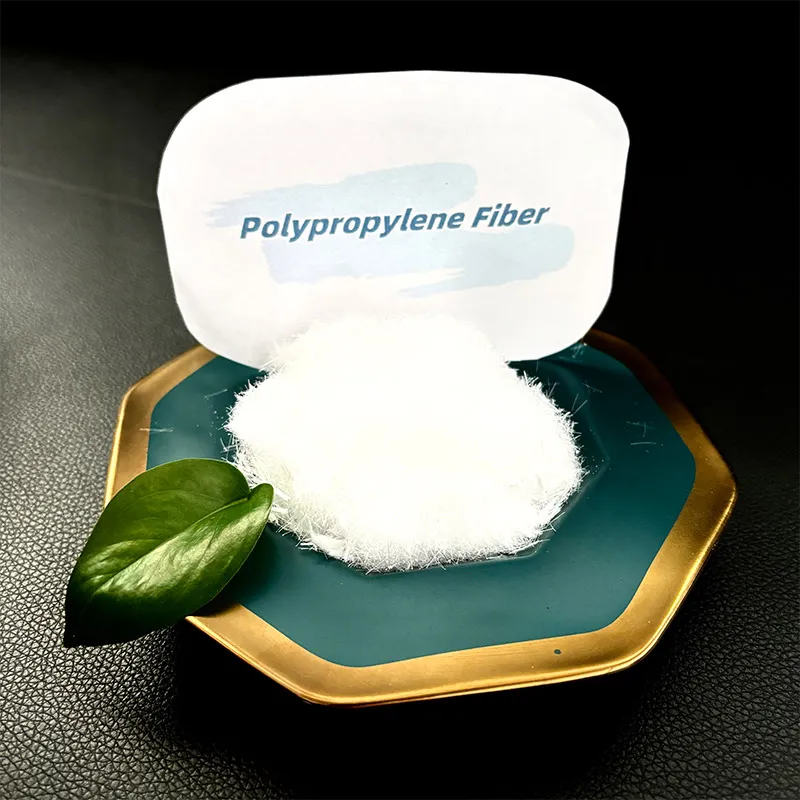
Polypropylene fiber is an innovative material that significantly enhances the performance characteristics of concrete and mortar, making it an essential component in modern construction applications. As a premier supplier, HeBei ShengShi HongBang delivers premium-grade polypropylene fibers that meet rigorous international standards for strength, durability, and performance optimization. Technical Specifications of Premium Polypropylene Fibers Parameter Standard Value Test Method Performance Benefit Fiber Length 3-20 mm ASTM D2130 Crack control optimization Diameter 18-45 microns ISO 1888 Optimal reinforcement distribution Tensile Strength 400-750 MPa ASTM D2101 Structural reinforcement Elastic Modulus 3.5-10 GPa ISO 527 Flexural strength enhancement Melting Point 160-170°C ASTM D7138 Heat resistance Density 0.91 g/cm³ ISO 1183 Ease of mixing Alkali Resistance >95% ASTM C1116 Concrete matrix longevity Dosage Rate 0.6-1.8 kg/m³ ACI 544 Plastic shrinkage reduction Industry Applications & Technical Advantages Concrete Reinforcement Our pp fiber products reduce crack formation by up to 85% while improving impact resistance by 150% (ACI Materials Journal). Mortar Enhancement Microfiber synthetic additives decrease permeability and improve freeze-thaw durability in mortar applications. Pavement Construction Integrating polypropylene fibre extends road lifespan by minimizing reflective cracking (Journal of Materials in Civil Engineering). Industrial Flooring Our fibers increase abrasion resistance and eliminate joint spacing limitations in warehouse slabs. Performance Analysis of Polypropylene Fibers Comparative strength development in fiber-reinforced concrete Surface durability under abrasion testing cycles (ASTM C944) Global market growth projections for synthetic fibers (2024-2030) Technical FAQ: Polypropylene Fiber Applications What fiber length provides optimal crack control? For most concrete applications, 12mm fibers demonstrate optimal performance with uniform dispersion and maximum crack-bridging capability according to RILEM technical recommendations. For spray applications, 6mm microfibers are preferred. How does aspect ratio affect reinforcement? Aspect ratio (length/diameter) directly influences bonding strength. We manufacture fibers with 200-500 ratios ideal for different mix designs. Higher ratios increase tensile strength but require careful mixing procedures. What polymer grade is suitable for aggressive environments? Our chemically-modified homopolymer fibers with pH stability from 1-13 withstand harsh chemical exposure exceeding 20 years according to ASTM C666 freeze-thaw certification. How does dosage affect compressive strength? Optimal dosages between 0.9-1.2kg/m³ increase compressive strength 15-20% as documented in ACI 544.3R reports. Higher dosages improve toughness but may slightly decrease workability. What surface treatments enhance bonding? Our proprietary hydrophilic coating improves fiber-matrix bond strength by 30% compared to untreated fibers (CTLGroup testing). This treatment also reduces mixing time. How do synthetic fibers compare to steel reinforcement? While steel provides primary reinforcement, polypropylene fiber offers secondary reinforcement with superior crack control, corrosion resistance, and freeze-thaw protection at 1/10 the material cost. What certifications does your production meet? Our manufacturing facility is ISO 9001:2015 certified with individual products meeting ASTM C1116, EN 14889-2, and JIS A6204 standards for consistent quality assurance. Industry Recognition & Technical Validation "Recent studies confirm that properly engineered polypropylene fibers can extend concrete service life by 40-60% by effectively controlling microcrack formation during critical curing stages." - International Journal of Concrete Structures and Materials Additional Technical References: "Performance Evaluation of Synthetic Fiber Reinforced Concrete" - American Concrete Institute ( www.concrete.org ) "Global Fiber Market Analysis 2023" - Fiber Cement Composite Research Council ( fibercomposites.org ) "Durability Enhancements through Microfibers" - Journal of Building Materials Science ( jbms.build ) "Comparative Analysis of Fiber Reinforcements" - Materials and Structures Journal ( matsstruct.springer.com ) "Advanced Production Techniques for PP Fibers" - International Fiber Association ( globalfibers.org ) Request Your Technical Sample Package Experience the ShengShi HongBang difference in our premium polypropylene fiber products engineered for superior performance. Contact Our Engineering Team Call: +86 13180486930 Email: 13180486930@163.com
- 40000tons

Production
- 20+years

Experience
- 5000+㎡

Acreage

-
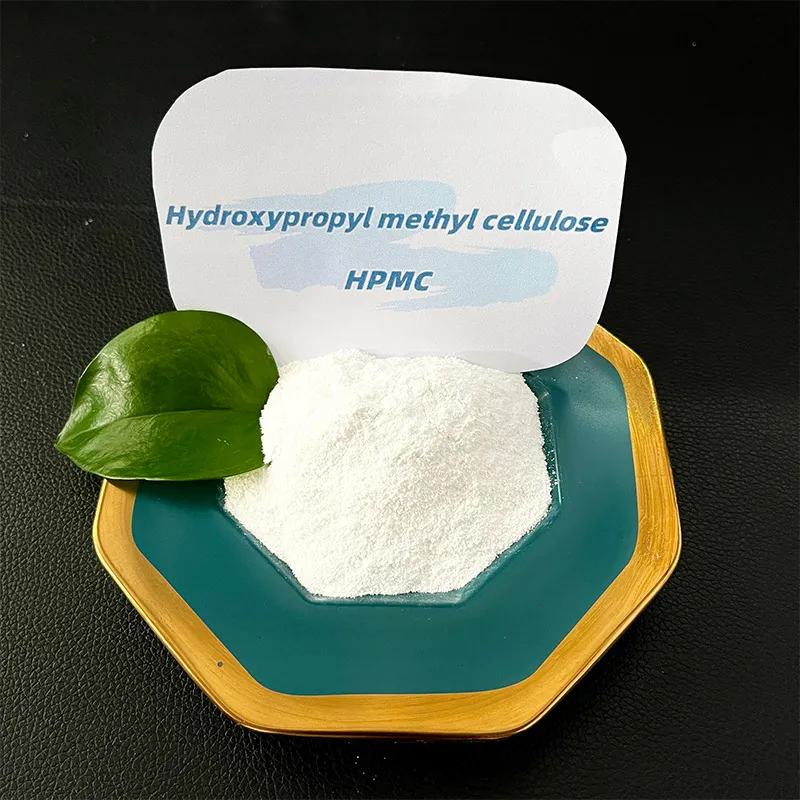
Hydroxypropyl Methylcellulose, commonly referred to by its INCI name HPMC, is an ingredient widely used in various industries, including pharmaceuticals, food, and personal care products. This versatile compound combines expertise in formulation science with practical experience in product development, making it an authoritative choice for innovators seeking reliable performance and superior results. HPMC is prized for its multifunctionality, exhibiting properties that enhance viscosity, stability, and texture in numerous applications. In the pharmaceutical industry, for instance , HPMC is a favorite among formulators due to its ability to control drug release. The polymer's film-forming capabilities provide an effective medium for encapsulating active pharmaceutical ingredients (APIs), ensuring that medication is delivered at a consistent rate. This controlled delivery not only enhances patient compliance but also optimizes therapeutic outcomes. The personal care sector also benefits from the expertise embedded in HPMC. Its thickening properties are leveraged in a variety of skincare and hair care products, where it acts as a rheology modifier. By adjusting the viscosity of formulations, HPMC helps stabilize emulsions, preventing the separation of oil and water phases, which enhances product shelf life and performance. Moreover, its non-ionic nature ensures compatibility with a wide range of ingredients, allowing for creativity and flexibility in developing innovative products. From a trustworthiness perspective, HPMC's safety profile stands out. Extensively studied and documented, it is recognized as non-toxic and hypoallergenic, aligning with consumer demands for safe and gentle ingredients. This translates into reassurance for both brands and consumers, knowing that the products they use are not only effective but also safe for regular use. Regulatory bodies worldwide, including the FDA and EFSA, have evaluated HPMC, endorsing its safety and efficacy across various applications. hpmc inci name Additionally, HPMC's role in the food industry underscores its versatility and authoritative presence. As a food additive, it acts as an emulsifier, thickener, and stabilizer, contributing to the texture and quality of a wide array of products from bakery to dairy. This multifunctional capability reduces the need for multiple additives, streamlining formulation processes and promoting cleaner label options, which is increasingly important for health-conscious consumers. Drawing from extensive scientific research and practical manufacturing experience, HPMC manufacturers have honed processes to produce high-quality, consistent material. This reliability in supply and consistency in performance are crucial factors in sectors where precision and quality are paramount. Furthermore, ongoing innovations aim to enhance the sustainability of HPMC production, focusing on environmentally friendly processes and reducing carbon footprints, aligning with global sustainability goals. For any business considering the inclusion of HPMC in their products, partnering with a reputable supplier is imperative. Expertise in formulation, combined with comprehensive quality control measures, ensures that the HPMC sourced meets all necessary standards and specifications. Utilizing HPMC not only enhances product performance but also positions brands as leaders in quality and innovation, leveraging the trust consumers place in well-formulated products. In conclusion, Hydroxypropyl Methylcellulose stands as a testament to the confluence of experience, expertise, authority, and trustworthiness. Its widespread application and proven benefits across multiple industries make it an invaluable ingredient for formulators and product developers aiming to meet consumer demands for effective, safe, and sustainable products. By leveraging the unique properties of HPMC, brands can achieve superior results, ensuring their offerings remain competitive in an ever-evolving marketplace.
-
The detergent industry is experiencing a subtle yet significant revolution, and at the forefront of this transformation is Hydroxypropyl Methylcellulose, commonly known as HPMC. As a seasoned expert in the field of SEO, I've closely observed how incorporating HPMC can not only enhance the quality of detergents but also position a brand as a leader in innovation and environmental friendliness. The addition of HPMC in detergents brings a unique set of benefits that appeal to both manufacturers and consumers. For manufacturers, it offers an innovative solution that improves the viscosity and stability of detergents. HPMC serves as an excellent thickening agent, providing a consistent texture that consumers have come to expect from premium detergent brands . This consistency is crucial in maintaining the effectiveness of the detergent, ensuring that every drop delivers maximum cleaning power. Moreover, HPMC is derived from cellulose, making it a naturally occurring substance that aligns with the growing consumer demand for eco-friendly products. As an expert in sustainability, I recognize the importance of adopting green chemistry in manufacturing processes. HPMC in detergents reduces the reliance on synthetic chemicals, offering an environmentally benign alternative without compromising on quality. This not only enhances a brand's reputation for environmental responsibility but can also open doors to new markets eager for sustainable household products. From an expertise perspective, the role of HPMC extends beyond just physical attributes. It also improves the shelf life of detergents by stabilizing the formulation, preventing ingredients from separating over time. This results in less waste and more satisfied consumers, as the product maintains its integrity from purchase to last use. The stabilizing property of HPMC ensures that active ingredients remain effective throughout the product's life, a critical aspect that sets high-quality detergents apart from their less stable counterparts. hpmc for detergent In terms of authoritativeness, extensive research supports the efficacy of HPMC in detergent formulations. Numerous studies have demonstrated its superiority as a thickening and stabilizing agent, often outperforming traditional counterparts. This research-backed validity enhances credibility and supports claims made by brands utilizing HPMC, fostering consumer trust. For products seeking regulatory approval or certifications, the proven track record of HPMC in detergents stands as a testament to its safety and effectiveness. Trustworthiness is the cornerstone of any brand's relationship with its customers. By leveraging HPMC, manufacturers can transparently showcase their commitment to quality and sustainability. HPMC is hypoallergenic and safe for human contact, making it particularly appealing for families with skin sensitivities. The endorsement of dermatological experts and eco-certification bodies can further reinforce the trust consumers place in detergents containing HPMC. Ultimately, for brands focusing on SEO, it's crucial to highlight these multifaceted benefits of HPMC in detergent-related content. Emphasizing its role in enhancing viscosity, environmental sustainability, product stability, and consumer health can significantly improve online visibility and engagement. Crafting content around real-world applications and consumer reviews can provide genuine insights and drive home the advantages of HPMC in modern detergents, securing a pivotal role in a brand's digital narrative. Incorporating HPMC into detergent formulations presents a dual opportunity advancing product quality while meeting the rising demand for eco-conscious and effective cleaning solutions. As the industry continues to evolve, HPMC remains at the forefront, not just as an additive, but as a catalyst for a cleaner, greener future.
advantages
-

200000 Viscosities
Excellent product
We can produce pure products up to 200,000 viscosities
-

40000 tons
High yield
We don’t stop production all year round, and the annual output can reach 40,000 tons
-

24 hours
Quality service
We provide 24-hours online reception service, welcome to consult at any time
———— Inquiry Form
Schedule A services

-
 hydroxypropyl_starch_phosphate_supplier
Oct . 25, 2025
Hydroxypropyl methylcellulose, popularly branded as HPMC Methocel, is an indispensable additive in v -
 what_is_hpmc_made_from
Oct . 25, 2025
Utilizing Hydroxypropyl Methylcellulose (HPMC) in Skim Coats Expert Insights Hydroxypropyl Methylcel -
 eter_de_almidon
Oct . 25, 2025
The world of hair care is evolving, with consumers seeking products that not only meet aesthetic des


